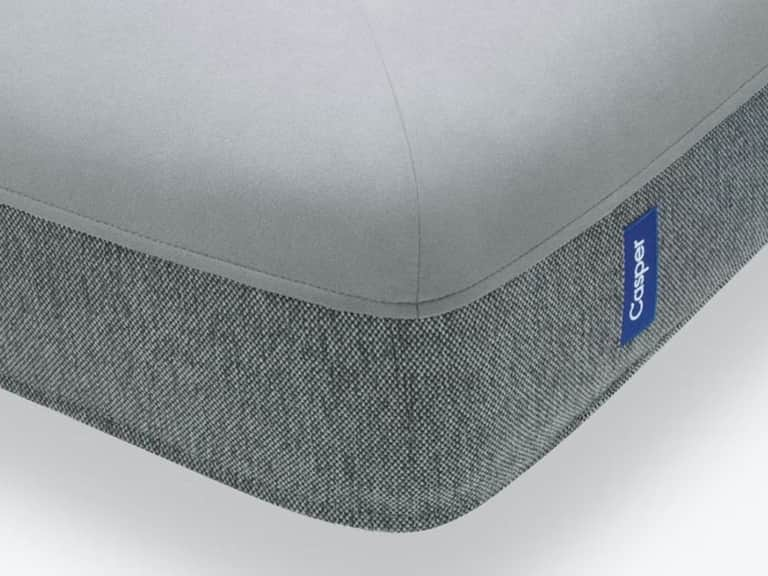
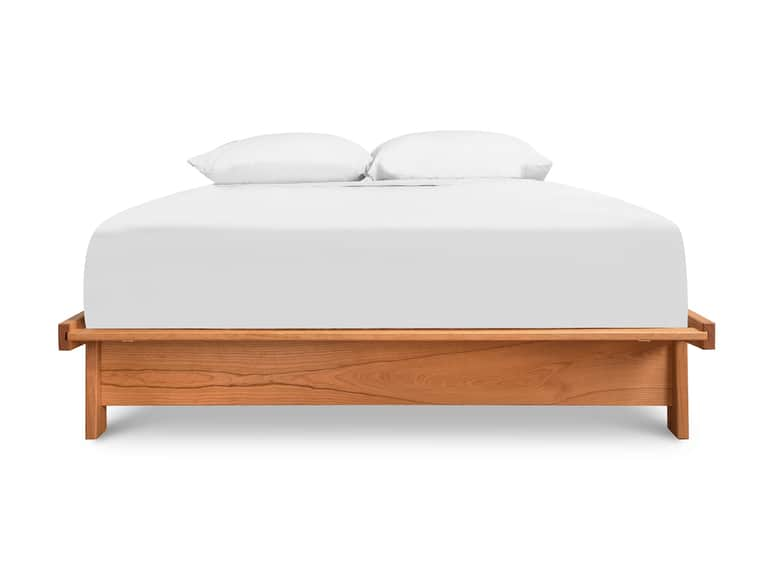
A Designer’s Guide to Organic Mattresses: Material, Comfort, and Longevity
Explore how organic mattresses from leading brands influence sleep quality and long-term comfort. This guide compares materials, certifications, and practical tips for choosing an organic bed that fits small spaces and varied sleep styles.
Published 2026-09-30 • Keywords: organic mattresses, sleep health, certifications, material comparison, bedroom design, Savvy Rest, Naturepedic
In the ever-evolving world of design and sleep wellness, organic mattresses emerge as a quiet revolution. They promise not only better rest but a cleaner, more sustainable sleeping environment. For the stylish homeowner who treats the bedroom as a sanctuary, an organic bed is more than a mattress—it’s a statement about health, ethics, and longevity. This guide unfolds the material alphabet behind organic comfort, introduces two emblematic brands—Savvy Rest and Naturepedic—and offers practical lenses for evaluating comfort, durability, and room ecology. It’s a Vogue-approved tour of texture, certification, and conscious luxury.
1) The anatomy of an organic mattress
Organic mattresses are defined not just by absence of synthetic elements, but by the presence of certified organic materials and transparent supply chains. The core components typically include organic latex or innerspring cores, natural or organic wool or cotton for comfort layers, and fabric covers that are GOTS-certified or otherwise validated for low chemical emissions. What makes a mattress truly organic hinges on certifications, farming practices, and the elimination of harmful flame retardants and petrochemical foams.
Key materials you’ll encounter:
- Organic latex: Derived from natural rubber, latex offers responsive support and durability. Look for Dunlop or Talalay processing, both of which can be certified organic when the latex, dunlop cores, and vulcanization processes meet standards.
- Organic cotton and wool: Used for comfort layers and covers, they regulate climate and contribute to a hygienic sleeping surface. Organic cotton is breathable and soft; wool adds temperature regulation and moisture wicking.
- Natural or organic wool: Serves as a breathable, moisture-managing comfort layer and a natural flame barrier in some constructions.
- Eco-friendly coatings: If a mattress employs barrier layers, seek certifications that ensure safe, non-toxic formulations.
Certifications are the compass that guides the buyer through the labyrinth of marketing claims. The most widely recognized seals include GOTS (Global Organic Textile Standard) for covers, GOLS (Global Organic Latex Standard) for latex components, and GOTS-based or MADE SAFE designs for a broader non-toxic standard. These certifications aim to verify organic farming practices and the absence of harmful chemicals, dyes, and treatments.
2) Brand spotlight: Savvy Rest and Naturepedic
Two brands frequently cited in conversations about organic sleep are Savvy Rest and Naturepedic. Each represents a different aesthetic and structural approach to organic comfort, yet both share a commitment to transparency, durability, and ethical sourcing.
Savvy Rest
Savvy Rest emphasizes customizable organic latex mattresses with modular layers. The core strength is the ability to tailor firmness through interchangeable latex layers, allowing sleepers to fine-tune support for back, side, or combination sleeping styles. Their covers and components frequently bear GOLS and GOTS certifications, underscoring a holistic approach to organic sleep ecosystems.
Tip: If you’re dealing with a partner who has different comfort needs, a modular latex setup can harmonize two sleeping preferences without compromising organic credentials.
Naturepedic
Naturepedic takes a holistic angle, blending organic cotton with latex or encased coil constructions. Their emphasis on non-toxic materials and water-based adhesives aligns with a broader wellness narrative in which environmental responsibility translates to sleep health. Naturepedic often highlights certifications and a transparent materials list, making it approachable for readers who want clear, actionable information.
Note: Organic latex options can vary in feel—seek a balance between contouring and support that suits your sleeping posture and space constraints.
3) Comfort, posture, and longevity: when organic meets everyday life
Choosing an organic mattress is as much about longevity as it is about immediate comfort. An organic bed should retain its shape and supportive integrity across years of use, while keeping a living environment free from off-gassing and synthetic odors. For readers navigating small spaces or urban apartments, the design vocabulary matters: a bed that is compact, easy to rotate, and compatible with under-bed storage becomes a practical luxury.
Consider these comfort and longevity touchpoints:
- Posture-support: Your mattress should align your spine in a neutral position. If you sleep on your side, look for a contouring but non-sinking feel; if you sleep on your back, firmer support can prevent misalignment.
- Temperature management: Natural materials often breathe better than synthetic foams, but blends vary. Look for breathable covers and wool-insulated layers to regulate heat and moisture.
- Durability: Latex tends to be resilient, while innerspring systems with natural coatings can offer long-lasting support. A good warranty is a sign of confidence in construction.
- Maintenance: Organic beds may require careful care, such as spot cleaning and minimal exposure to moisture. Ensure the cover is removable and washable if possible.
4) The small-space strategy: designing an organic sleep haven
For small spaces, the bedroom becomes a micro-cocoon where design choices affect sleep quality just as much as the mattress itself. An organic mattress can be paired with a minimal metal or wood frame to reduce visual clutter, while a breathable fabric headboard or a light gray palette can foster a calming atmosphere. Lighting, too, plays a pivotal role in signaling the body's circadian rhythm. Soft, warm lighting in the evening, with dimmable sources and layered lamps, can transform the room into a sanctuary where rest is the primary pastime.
Accent factors to consider:
- Firmness options: Choose models with adjustable layers or multiple firmness profiles to accommodate growth or changes in sleeping preferences.
- Hypoallergenic textiles: Opt for covers and bedding that complement the organic core, reducing dust and allergen exposure.
- Storage synergy: A bed with built-in storage or a platform design can free up floor space, creating a cleaner, more restful environment.
5) A Vogue-wardrobe approach: styling your organic bed
In the language of Vogue, the bed is an editorial centerpiece. The organic mattress becomes a canvas upon which texture, color, and form converse. A pale, linen-rich palette with tactile textiles—organic cotton sheets, a wool blend throw, and a featherweight duvet—offers a sumptuous layering that is both practical and photogenic. The goal is a space that feels curated yet lived-in, where every textile is chosen for breathable comfort and aesthetic depth.
Suggested editorial moves for the room:
- Texture play: Combine cotton percale sheets with a wool throw and a linen duvet for visual depth and climate control.
- Color psychology: Soft neutrals with muted greens or blues can promote tranquility and restful sleep.
- Headboard as sculpture: A slim, neutral headboard can ground the bed without overpowering the room’s line and openness.
- Layered lighting: A mix of ambient, task, and accent lighting supports different moods and times of day.
6) Seeded product spotlight: Original Pillow Double Pack
Among the complementaries that elevate an organic sleep suite, the Original Pillow Double Pack stands out as a case study in thoughtful design. This pillow-in-pillow creation uses a down-alternative fill to offer adaptable, breathable support that responds to movement through the night. The outer shell—a 100% cotton percale—delivers a light, breathable touch that remains soft wash after wash. The nested design minimizes clumping, ensuring comfort for varied sleeping styles and positions. It’s the kind of accessory that translates editorial luxury into everyday ease.
Original Pillow Double Pack
Pillow-in-pillow design with a down-alternative fill and a 100% cotton percale shell, delivering adaptable, breathable support that responds to movement through the night.
Price: $150.00

A study in adaptable comfort, designed to harmonize with your evolving sleep posture.
This pillow is a micro-lesson in the power of thoughtful packaging—how a well-crafted inner and outer layer can deliver lasting comfort while maintaining a clean, breathable surface that fits into a chic, editorially styled bed setup.
7) Certifications: the quiet authority behind the glow
When products carry GOTS, GOLS, or similar certifications, it is more than a badge—it is a promise of standards that align with health-conscious design. Certification processes scrutinize farming practices, manufacturing integrity, and the absence of toxic substances, offering a shield of trust for discerning buyers. For a magazine-grade bedroom, certifications provide both editorial credibility and practical reassurance that your sleep environment is aligned with longevity goals.
Practical tips for evaluating certifications:
- Ask for the full certification scope: which materials, which layers, and which manufacturing steps are covered?
- Request documentation or a certification number you can verify with the certifying body.
- Consider the supply chain: transparent sourcing for latex, cotton, and wool matters as much as the final composition.
8) Time travelers of comfort: three key individuals from different eras
Great beds, like great fashion, are the product of dialogue across time. Here are three influential figures from distinct periods who, in their own ways, shaped our understanding of rest, design, and material culture:
- Charles Eames (1907–1978) — A designer celebrated for marrying form and function, Eames’s minimalist ethos and love of modern materials inform a contemporary bedroom aesthetic where comfort meets clean lines. His approach to ergonomic seating and craft-inspired furniture translates into the way we think about bed frames, headboards, and the spatial rhythm of a sleeping chamber.
- Florence Nightingale (1820–1910) — A pioneer of sanitary reform, Nightingale’s insistence on clean, well-ventilated spaces laid the groundwork for the modern understanding of healthy interiors. Her influence resonates in the emphasis on breathable fabrics, low-toxicity materials, and the overall hygiene of the sleeping environment.
- Le Corbusier (1887–1965) — A luminary of modern architecture and color theory, Le Corbusier championed clarity of form and the power of perception. His philosophy underpins the idea that the bed is an architectural element within a room, and that material choices should contribute to a seamless, perceptually calm space—an ideal environment for restful sleep.
9) A modular, editorial approach for The Boxed Bed
The Boxed Bed as a brand can lean into a magazine-like cadence: evergreen pillar guides on organic materials, seasonal refreshes about bedding layering, and designer interviews that add depth to the editorial voice. A content plan could include seed ideas such as:
- Pillar topic: Organic materials demystified—latex, wool, and cotton explained with bite-sized, science-backed snippets.
- Seasonal guides: Summer cooling strategies for organic beds; winter warmth without sacrificing breathability.
- Designer roundups: Interviews with sleep architects and interior designers about creating restful rooms in small spaces.
- How-to series: Step-by-step guides on selecting an organic mattress, evaluating certifications, and pairing textiles for climate control.
10) Closing notes: the future of sleep and sustainability
As consumers increasingly seek products that honor health and the planet, organic mattresses stand at the intersection of comfort, ethics, and design. The marriage of luxurious feel and transparent practices offers a compelling narrative for The Boxed Bed. It speaks to readers who want to curate rooms that look as good as they feel—where the bed is not merely a place to sleep, but a statement of a life lived with intention, beauty, and care for the world we inhabit.
Would you like a tailored content plan or a visual brand kit to launch The Boxed Bed? I can craft a seed article calendar, mood boards, and typography recommendations to align with the Vogue-inspired voice described here.